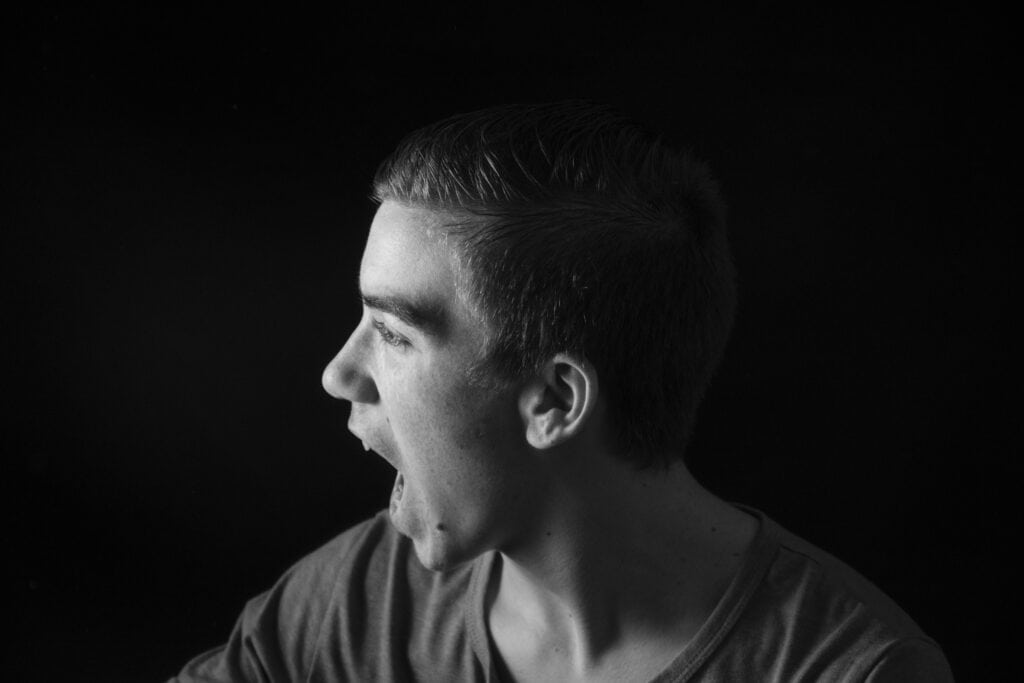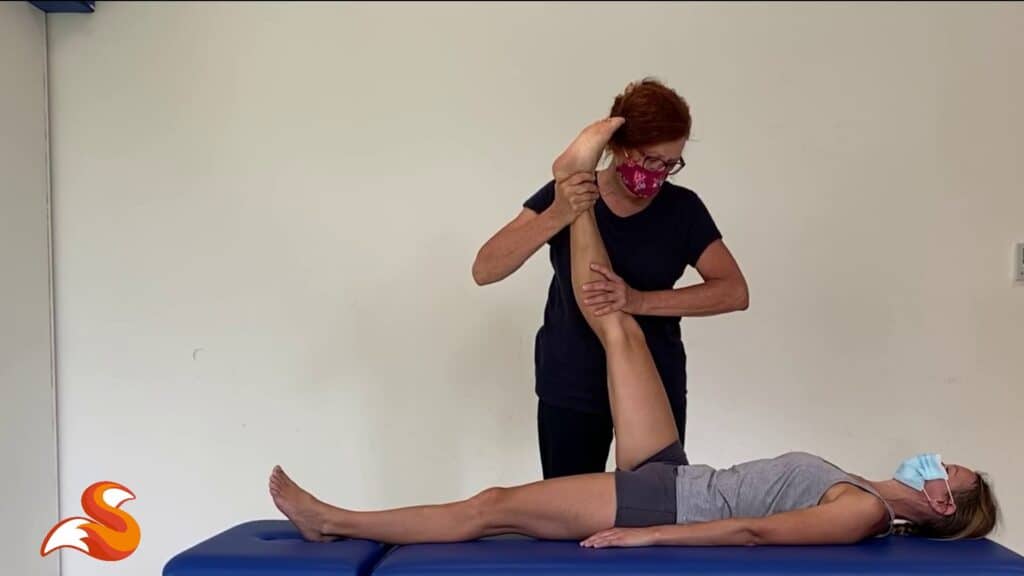
Dysfonctionnement cranio-mandibulaire (DCM) : évaluation et traitement

Develop a practical understanding of craniomandibular disorders (CMD) and learn evidence-based assessment and treatment strategies to manage facial, jaw, and head pain across a wide range of clinical settings.
Janne Säkkinen
5/5

 119

Course Details:

240 minutes

6 months

Course Overview

How can healthcare professionals better recognize and treat craniomandibular disorders (CMD) to improve patient outcomes?

This course provides a practical, evidence-based introduction to assessing and managing CMD, one of the most common causes of facial, jaw, and headache-related pain. Through clinical reasoning and case-based learning, you’ll gain the knowledge and tools needed to identify CMD symptoms early and deliver effective, person-centred care.

Designed for everyday clinical practice, the course combines current scientific evidence with practical treatment approaches that can be immediately applied in physical therapy, rehabilitation, and workplace health promotion.

  • Early recognition of CMD symptoms
  • Assessment of jaw, facial, and head pain
  • Evidence-based treatment planning
  • Musculoskeletal rehabilitation
  • Workplace health promotion
  • Clinical decision-making for patients of all ages
  • Understand the anatomy, physiology, and pathophysiology of CMD
  • Perform structured assessments and clinical evaluations
  • Apply evidence-based treatment techniques for CMD
  • Develop clinical reasoning for complex musculoskeletal conditions
  • Integrate craniofacial, craniocervical, and thoracic treatment approaches

Course Content

Target Audience

Meet the Instructor

Janne Säkkinen —
Physical Therapist

Janne Säkkinen is a physical therapist specializing in occupational physical therapy, musculoskeletal rehabilitation, and Orthopedic Manual Therapy (OMT). Since 2010, he has focused on improving physical performance and functional well-being through evidence-based treatment and ergonomic interventions. Alongside his clinical work at Terveystalo, Janne lectures on temporomandibular joint disorders (TMJ) and ergonomics, helping healthcare professionals translate scientific knowledge into practical strategies for everyday patient care.

Continuing Education Credits & Certificate

This course qualifies for continuing education credits from recognized professional associations.

Certificate

Upon completion, you will automatically receive a personalised certificate confirming your continuing education participation.

Our certificate of participation may also be submitted to professional associations as part of CPD and continuing education applications.

Évaluation globale du cours

Pas encore d'avis

Pas encore de commentaires

Peer Review

Simone Elsig, Physiotherapist OMT Svomp

MSc Physiotherapy, PhD Cand., HES-SO Valais-Wallis, Leukerbad

This course is a great introduction to TMD, with a good mix of theory, anatomy, examination techniques, treatment approaches, and exercises. It covers muscular, articular, and neurodynamic treatment approaches. The course is engaging and well-structured, combining text, images, videos, and plenty of references for further reading. Learning questions help reinforce what you’ve studied. I really enjoyed working through this course.”

Ready to Improve Your Clinical Approach to CMD?

Related Courses

INN Toile d'araignée

Intégration de la neurodynamique dans la neuroréhabilitation (INN®) Expert 1 : Principes, développement et application

Tu veux en savoir plus sur l'analyse de l'action et du mouvement en tenant compte de la mobilité neuronale ? Dans ce cours d'experts INN®, tu apprendras les bases théoriques en relation avec des exemples pratiques. Contenu :
  • Première partie du cours : bases, développement et application
  • Partie 2 du cours : système nerveux périphérique
  • Partie 3 du cours : le système nerveux en tant qu'unité
  • Partie 4 du cours : test final
Langue du cours : allemand Public cible :
  • thérapeutes* de tous les domaines (physiothérapie, ergothérapie, logopédie, thérapie sportive, etc.)
  • Médecins
  • Pédagogues curatifs
  • Scientifiques du mouvement
  • Toute personne travaillant avec des personnes souffrant d'une lésion cérébrale et souhaitant en savoir plus sur le lien entre structure, fonction, activité et autonomie.
Il te faut : Ordinateur, ordinateur portable ou tablette Durée de la formation: 240 minutes Durée d'accès au cours : 6 mois

Système nerveux central et autonome (allemand/français)

Objectif : Du lernst, wie unser Zentralnervensystem aufgebaut ist und wie es funktioniert. Dabei geht es auch um Schädigungen und deren Auswirkungen auf Betroffene und Angehörige, sowie um Neuroplastizität. Contenu :
  • Première partie du cours : système nerveux central
  • Partie 2 du cours : système nerveux autonome
  • Partie 3 du cours : neuroplasticité
  • Partie 4 du cours : test final
Langue du cours : Du kannst zwischen Deutsch und Französisch wählen. Public cible :
  • thérapeutes* de tous les domaines (physiothérapie, ergothérapie, logopédie, thérapie sportive, etc.)
  • Médecins
  • Pédagogues curatifs
  • Scientifiques du mouvement
  • Infirmières et infirmiers
  • Toute personne souhaitant en savoir plus sur le système nerveux central, ses fonctions, ses lésions et sa plasticité.
Il te faut : Ordinateur, ordinateur portable ou tablette Durée de la formation: 360-500 minutes Durée d'accès au cours : 6 mois
Image de cours sur les fonctions exécutives

Les fonctions exécutives et leur pertinence dans la vie quotidienne

Objectif : Du kennst dich mit den exekutiven Funktionen aus und du bist dir über deren Relevanz für den Alltag im Klaren. Ausserdem gewinnst du einen Einblick in die Diagnostik und die Risikogruppen. Contenu :
  • Première partie du cours : introduction et neuroanatomie
  • Partie 2 du cours : Classification des fonctions exécutives
  • Partie 3 : Vie quotidienne (scolaire/professionnelle) & groupes à risque
  • 4e partie du cours : diagnostic et soutien/thérapie
  • Partie 5 du cours : test final
Langue du cours : allemand Public cible : Ergotherapeut*innen, Physiotherapeut*innen, Sportherapeut*innen, Pädagoginnen und Pädagogen, Logopädinnen und Logopäden, Pflegefachpersonen Il te faut : Ordinateur, ordinateur portable ou tablette Durée de la formation: 120 minutes Durée d'accès au cours : 6 mois
Photo de couverture du cours en ligne foxstudy Marche naturelle

Marche normale - séquence de mouvements et fonction musculaire

Ziel: Die Grundlagen der Ganganalyse so erklärt, dass du sie in dein Clinical Reasoning integrieren kannst. Inhalt: Kursteil 1: Natürliches Gangbild Kursteil 2: Instrumentierte Ganganalyse Kursteil 3: Bewegungsplanung & muskuläre Kontrolle Kursteil 4: Abschlusstest Kurssprache: Deutsch Zielpublikum: Alle Berufsgruppen, die sich mit dem Gangbild beschäftigen, also bspw.: Physiotherapeut*innen, Sporttherapeut*innen, Ärztinnen und Ärzte, Bewegungswissenschaftler*innen, Orthopädietechniker*innen, usw. Du benötigst: Computer, Laptop oder Tablet Lernzeit: 150 Minuten Nutzungsdauer des Kurses: 6 Monate

Scalable Education for Therapy and Rehabilitation Departments

Trusted by therapists, medical doctors and rehabilitation professionals worldwide.

Panier d'achat
Dysfonctionnement cranio-mandibulaire (DCM) : évaluation et traitementDysfonctionnement cranio-mandibulaire (DCM) : évaluation et traitement
 119
Faire défiler vers le haut