

Classification Systems for Cerebral Palsy

This free course provides an overview of the current classification systems for people with cerebral palsy.
Fox
4.8/5
Cover Image: Classification Systems

€ 0

Course Information:

30 minutes

6 months

Course Overview

How can classification systems improve assessment and treatment planning for people with cerebral palsy? This introductory course provides an overview of the most important functional classification systems for cerebral palsy, including those related to mobility, hand function, and nutrition.


You will learn how these models support clinical decision-making, rehabilitation planning, and goal-setting in various care settings.


The course also examines the current scientific evidence regarding these classification systems.

  • Functional Assessment for Cerebral Palsy
  • Rehabilitation Planning
  • Objective
  • Clinical Communication
  • Evidence-Based Clinical Practice
  • Understanding the Purpose of Classification Systems for Cerebral Palsy
  • Learn about functional classification across multiple areas
  • Learn how classification systems support treatment planning
  • Learn about the current scientific evidence regarding its clinical application
Overall Course Rating

Comments

Gertrud on January 2, 2026
Very well-structured
The scientific process is easy to follow, and everything is explained very well
Heike on January 23, 2025
very good
Great overview of the classifications. I was only familiar with the GMFCS. So I learned a lot—thanks.
Sophie on December 27, 2024
Great overview
This course gave me a good overview of the various classification systems that exist and how they relate to one another. I also received some helpful tips for my day-to-day work in therapy on how to better apply these classifications. Thank you!
Elisa on November 17, 2024
interesting
Greater correlation across the various classification systems
Sophia on August 22, 2024
Short and sweet
A brief overview, easy to follow. The sound quality of the texts being read aloud is a bit poor, or rather, too quiet.

Ready to build your understanding of classification systems for cerebral palsy?

Similar Courses

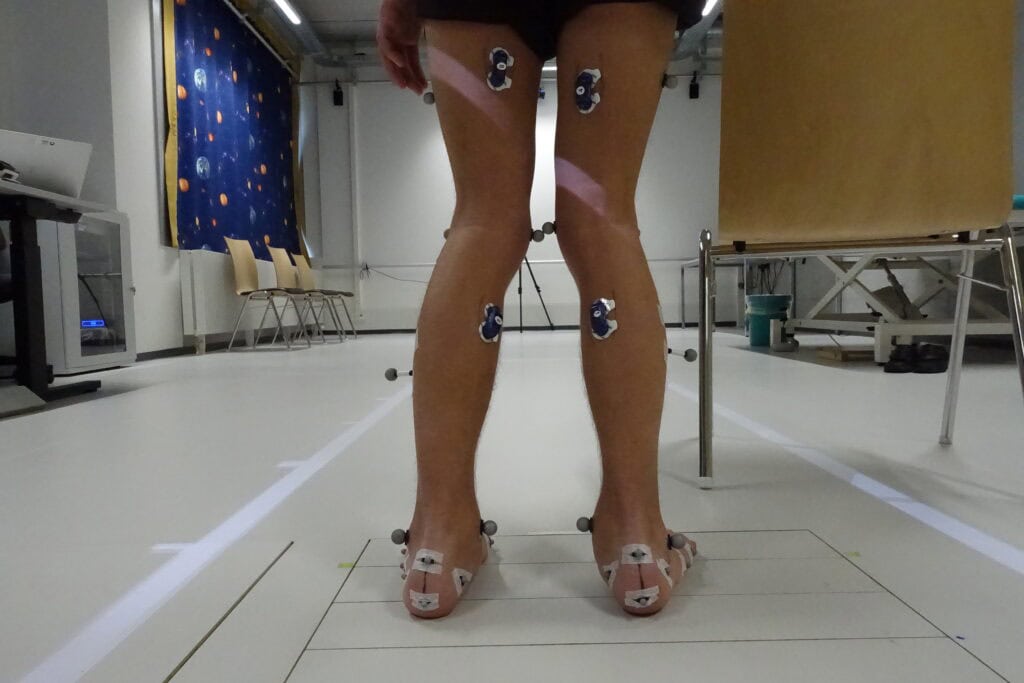
crouch gait Understand & Treat

Objective: You will be able to analyze and understand, in a nuanced way, the underlying factors that contribute to the “ crouch gait .” You will recognize the influence of sensory processing and be able to derive therapeutic strategies from this understanding—thereby enabling you to strengthen your patients’ functional abilities, prevent relapses, and support lasting change.

Contents:
    • Introduction to the Topic
    • Somatosensory Perception & crouch gait
    • The Evolution of the Crouching Gait
    • Treatment & Prevention for crouch gait
    • Final Test
Course language: German Target audience: All professional groups that deal with gait analysis, e.g.: • Physical therapists • Sports therapists • Physicians • Kinesiologists • Orthopedic technicians You'll need: Computer, laptop, or tablet Study time: 120 minutes Course duration: 6 months

Low Vision: Basics, Diagnosis, and Support Measures

In this course, you'll learn what "low vision" really means and how visual impairments affect daily life. You'll gain a better understanding of how people with low vision behave and learn how to provide them with targeted support.

Contents:
    • Introduction to the Topic
    • Definitions & Terms
    • Development and Changes in Vision
    • Examination & Treatment
    • Support Measures & Assistance in Everyday Life
    • Quick Knowledge Check
Course language: German, English Target audience: • Therapists from all fields (physical therapy, occupational therapy, speech therapy, sports therapy, etc.) • Nurses • Physicians • Special education teachers and teachers • Kinesiologists You'll need: Computer, laptop, or tablet Study time: 90 minutes Course duration: 6 months

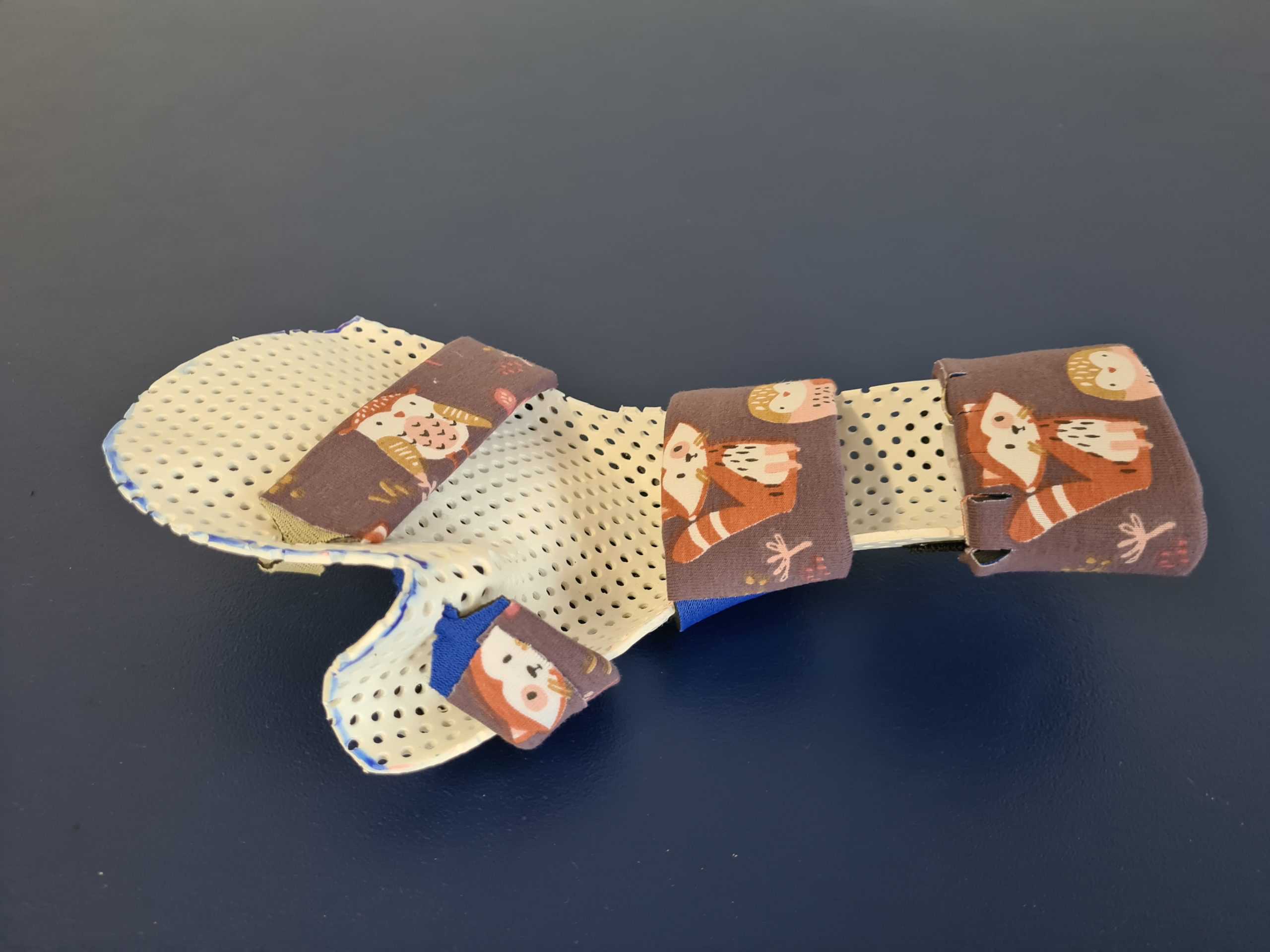
Hand splints for the prevention of contractures and deformities in neuropediatrics

Objective: You can independently perform an examination of patients, determine whether a hand splint is necessary, and make a hand splint. Contents:
  • Course Section 1: Introduction and Fundamentals
  • Course Part 2: Your Findings
  • Course Section 3: Production and Evidence
  • Course Part 4: Final Test
Course language: German Target audience: Physical therapists, occupational therapists, physicians, and orthopedic technicians You'll need: Computer, laptop, or tablet Study time: 120 minutes Course duration: 6 months
Cover image from the foxstudy online course on upper extremity mobility

Upper Limb Mobility in Children with Cerebral Palsy

Objective: This course will improve your therapeutic interventions related to upper extremity mobility in pediatrics and provide a scientific foundation for your treatment. With the help of sample patient cases and numerous interactive elements, learning is truly enjoyable. Contents:
  • Course Module 1: Introduction to Mobility in Cerebral Palsy
  • Course Section 2: Fundamentals of Anatomy and Structural Differentiation
  • Course Section 3: ICF Framework
  • Course Section 4: Therapeutic Approach and Application to Everyday Life
  • Course Section 5: Final Test
Course language: You can choose between German and French. Target audience: Physical therapists, occupational therapists, registered nurses, physicians, and orthopedic technicians. You'll need: Computer, laptop, or tablet Study time: 5 hours Course duration: 6 months

Scalable Continuing Education for Therapy and Rehabilitation Departments

Tried and tested by therapists, doctors, and rehabilitation specialists.

Shopping Cart
Cover Image: Classification SystemsClassification Systems for Cerebral Palsy
€ 0
Scroll to the top