
Spezialisierte Fortbildung für Rehabilitationsfachpersonen
Evidenzbasierte Online-Kurse in Neurorehabilitation, pädiatrischer Rehabilitation und funktionellem Training, konzipiert für Gesundheitsfachpersonen, die eine praxisnahe Fortbildung suchen.

- Lernen im eigenen Tempo
- Evidenzbasierte Fortbildung
- Direkt anwendbar in der klinischen Praxis
Kurse nach Niveau durchsuchen: von Grundlagen bis zu fortgeschrittenen klinischen Anwendungen
Zentrales & autonomes Nervensystem
- Course part 1: Central nervous system
- Course part 2: Autonomic nervous system
- Course part 3: Neuroplasticity
- Course part 4: Final test
- Therapists from all areas (physiotherapy, occupational therapy, speech therapy, sports therapy, etc.)
- Doctors and physicians
- Curative educators
- Movement scientists
- Nurses
- Anyone who wants to learn more about the central nervous system, its functions, damage and plasticity.
- 360-500 minutes
- Englisch
Craniomandibular Dysfunction (CMD): Assessment & Treatment
- Introduction to the Topic
- Background CMD
- Anatomy, Physiology & Pathophysiology
- From the Medical History to the Assessments
- Craniomandibular & Craniofacial Treatment
- Craniocervical and Thoracic Treatment
- Integrative Clinical Reasoning in the Treatment of CMD
- Short knowledge check
- Physical therapists
- Occupational therapists
- movement scientists
- Doctors and physicians
- Nurses
- 240 minutes
- Mehrsprachig
Neuro-centered training – an introduction
- Explanations of terms
- input systems
- Basic requirements & mindset
- Neuroplasticity & Training
- Knowledge check
- Physical therapists
- Occupational therapists
- Sports therapists
- movement scientists
- Doctors and physicians
- All individuals interested in neurocentric training
- 90 minutes
- Deutsch
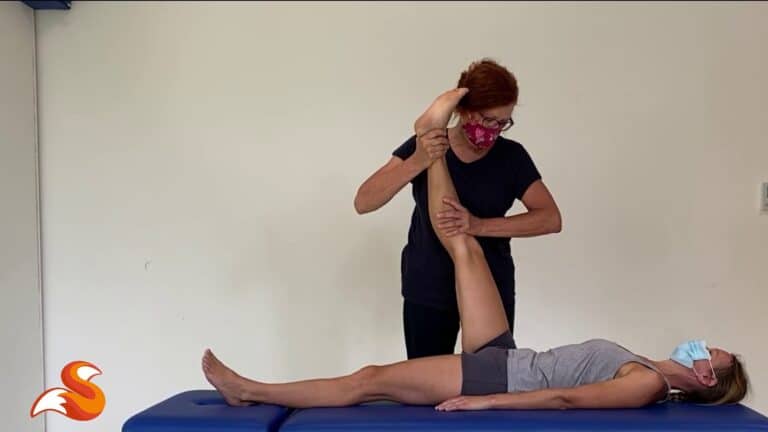
Integration of neurodynamics into neurorehabilitation (INN®) Expert 2: Neurodynamic tests
- Course part 1: Test basics
- Course part 2: Tests of the lower extremities and trunk
- Course part 3: Tests of the upper extremity
- Therapists from all areas (physiotherapy, occupational therapy, speech therapy, sports therapy, etc.)
- Doctors and physicians
- Curative educators
- Movement scientists
- Anyone who works with people with a brain lesion and would like to know more about the relationship between structure, function, activity and independence.
- 360 minutes
- Deutsch
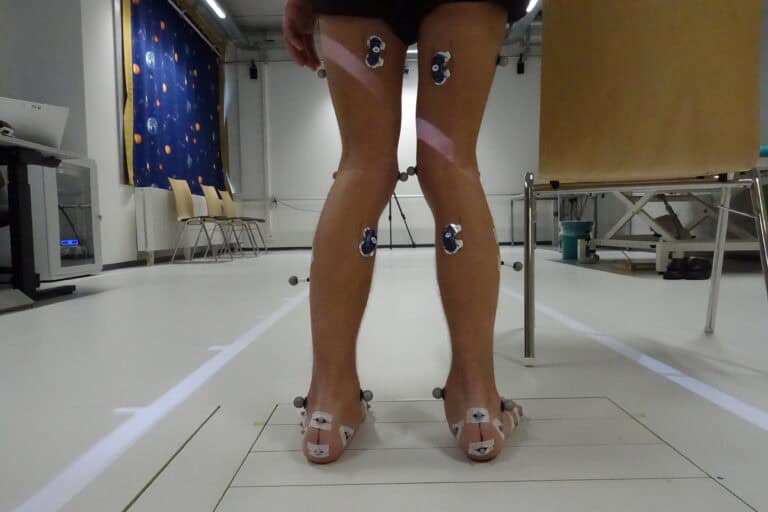
Understanding & treating crouch gait
Goal: You will be able to analyze and understand the components that lead to the crouch gait. You will recognize the influence of the sensory system and be able to derive therapeutic strategies from this - enabling you to strengthen your patients' functional abilities, prevent relapses and support lasting changes.
Contents:-
- Introduction to the topic
- Somatosensory system & crouch gait
- Development of the crouch gait
- Treatment & prophylaxis for crouch gait
- Final test
- 120 minutes
- Deutsch

Low vision: basics, diagnostics & support measures
In this course, you will learn what "low vision" really means and how visual impairments affect everyday life. Learn to better understand the behavior of affected people and how to provide them with targeted support.
Contents:-
- Introduction to the topic
- Definitions & terms
- Development & deviations of vision
- Examination & therapy
- Support measures & help in everyday life
- Short knowledge check
- 90 minutes
- Mehrsprachig
Seepferdchen Training – Schweiß, Spaß & gute Gesellschaft
In this course, you will learn about the key elements for the well-being of children with mental health issues.
Contents:-
-
Introduction to the topic
-
Mental health in children and adolescents
-
Nervous system under constant stress
-
Seahorse training
-
Short knowledge check
-
- 45 minutes
- Mehrsprachig
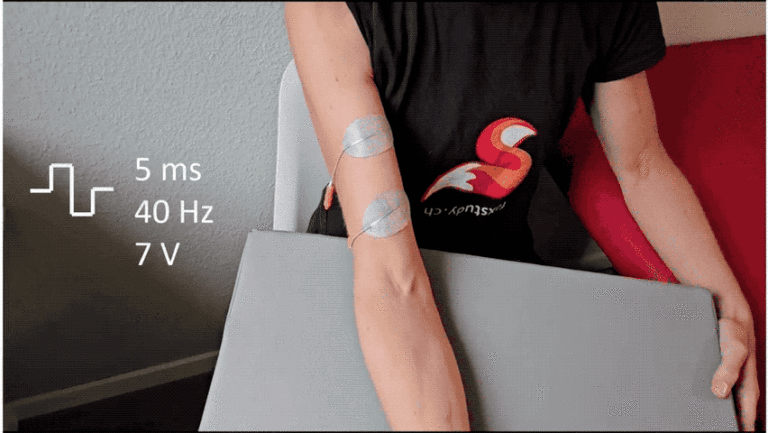
Moderne Elektrostimulation verstehen & anwenden
In this course you will learn about electrostimulation and how it can be used in everyday therapy.
Contents:- Introduction to electrostimulation
- Electrical stimulation for damage to the 1st motor neuron
- Electrical stimulation for damage to the 2nd motor neuron
- Evidence of electrical stimulation
- Final test
- 90 minutes
- Deutsch
BeSmart – Therapeutische Ziele verstehen & richtig setzen
In this course you will learn how to formulate goals professionally and apply them in everyday therapy.
Contents:- The ICF levels, in particular environmental factors and personal factors
- Involvement of relatives, resources and barriers
- Bottom up and top down
- Distinction between performance and capacity
- Independent - what does this mean for the target?
- SMART
- Final test
- Therapists from all areas (physiotherapy, occupational therapy, speech therapy, sports therapy, etc.)
- Nurses
- Doctors (CME credits)
- Curative educators
- Movement scientists
- 60 minutes
- Deutsch

Integration of Neurodynamics in Neurorehabilitation (INN®) Expert 1: Basics, Development & Application
- Course part 1: Basics, development & application
- Course part 2: Peripheral nervous system
- Course part 3: Nervous system as a unit
- Course part 4: Final test
- Therapists from all areas (physiotherapy, occupational therapy, speech therapy, sports therapy, etc.)
- Doctors and physicians
- Curative educators
- Movement scientists
- Anyone who works with people with a brain lesion and would like to know more about the relationship between structure, function, activity and independence.
- 240 minutes
- Deutsch

Classification systems Cerebral palsy
Gain an overview of the currently available classification systems for people with cerebral palsy with this free course. We have also added a chapter on the scientific basis so that you are fully informed about the current study situation.
Course language: German Target audience: Physiotherapeut*innen, Ergotherapeut*innen, Ärztinnen und Ärzte, Sporttherapeut*innen, Pädagog*innen, Neuropsycholog*innen, Pflegefachpersonen und alle, die unsere foxstudy Kurse besser kennenlernen möchten. You will need: Computer, Laptop, Tablet oder Mobiltelefon Study time: 30 minutes Course duration: 6 months- 30 minutes
- Deutsch

Exekutive Funktionen & deren Relevanz im Alltag
- Course part 1: Introduction and neuroanatomy
- Course part 2: Classification of executive functions
- Course part 3: (School/professional) everyday life & risk groups
- Course part 4: Diagnostics & support/therapy
- Course part 5: Final test
- 120 minutes
- Deutsch
Zentrales & autonomes Nervensystem
- Course part 1: Central nervous system
- Course part 2: Autonomic nervous system
- Course part 3: Neuroplasticity
- Course part 4: Final test
- Therapists from all areas (physiotherapy, occupational therapy, speech therapy, sports therapy, etc.)
- Doctors and physicians
- Curative educators
- Movement scientists
- Nurses
- Anyone who wants to learn more about the central nervous system, its functions, damage and plasticity.
- 360-500 minutes
- Englisch
Craniomandibular Dysfunction (CMD): Assessment & Treatment
- Introduction to the Topic
- Background CMD
- Anatomy, Physiology & Pathophysiology
- From the Medical History to the Assessments
- Craniomandibular & Craniofacial Treatment
- Craniocervical and Thoracic Treatment
- Integrative Clinical Reasoning in the Treatment of CMD
- Short knowledge check
- Physical therapists
- Occupational therapists
- movement scientists
- Doctors and physicians
- Nurses
- 240 minutes
- Mehrsprachig
Low vision: basics, diagnostics & support measures
In this course, you will learn what "low vision" really means and how visual impairments affect everyday life. Learn to better understand the behavior of affected people and how to provide them with targeted support.
Contents:-
- Introduction to the topic
- Definitions & terms
- Development & deviations of vision
- Examination & therapy
- Support measures & help in everyday life
- Short knowledge check
- 90 minutes
- Mehrsprachig
Moderne Elektrostimulation verstehen & anwenden
In this course you will learn about electrostimulation and how it can be used in everyday therapy.
Contents:- Introduction to electrostimulation
- Electrical stimulation for damage to the 1st motor neuron
- Electrical stimulation for damage to the 2nd motor neuron
- Evidence of electrical stimulation
- Final test
- 90 minutes
- Deutsch
Exekutive Funktionen & deren Relevanz im Alltag
- Course part 1: Introduction and neuroanatomy
- Course part 2: Classification of executive functions
- Course part 3: (School/professional) everyday life & risk groups
- Course part 4: Diagnostics & support/therapy
- Course part 5: Final test
- 120 minutes
- Deutsch
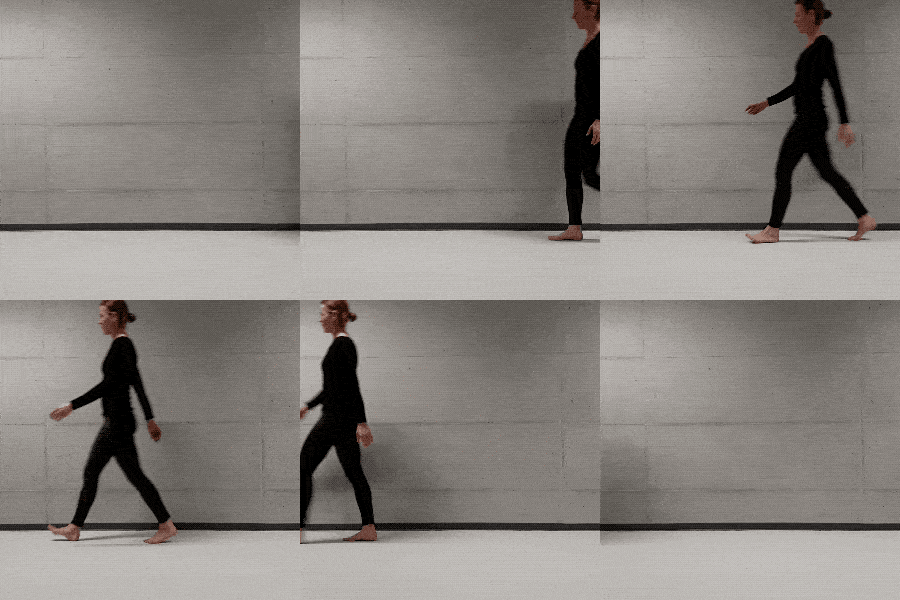
Normales Gehen – Bewegungsabläufe & Muskelfunktion
- 150 minutes
- Deutsch
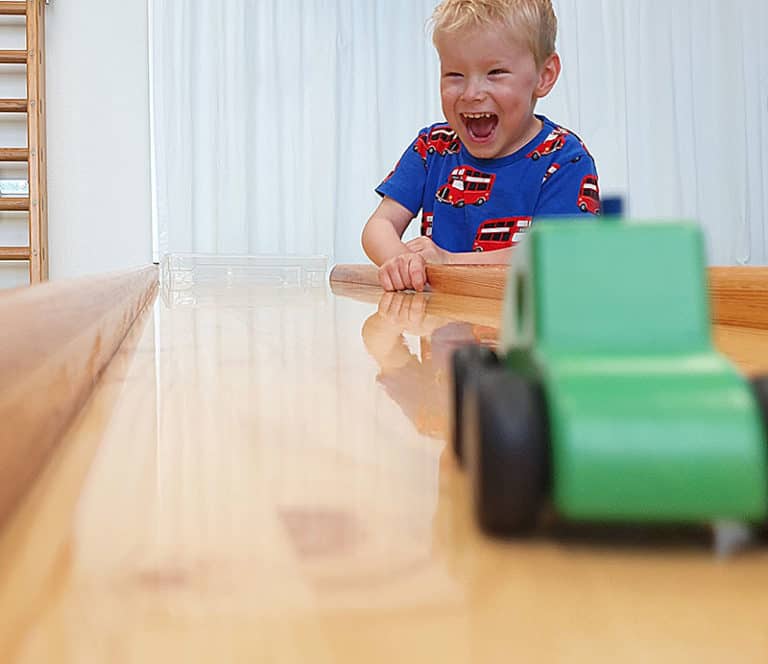
Mobility of the upper extremities in children with cerebral palsy
- Course part 1: Introduction to mobility with cerebral palsy
- Course part 2: Fundamentals of anatomy and structural differentiation
- Course part 3: ICF framework
- Course part 4: Therapeutic approach and transfer to everyday life
- Course part 5: Final test
- 300 minutes
- Mehrsprachig
Neuro-centered training – an introduction
- Explanations of terms
- input systems
- Basic requirements & mindset
- Neuroplasticity & Training
- Knowledge check
- Physical therapists
- Occupational therapists
- Sports therapists
- movement scientists
- Doctors and physicians
- All individuals interested in neurocentric training
- 90 minutes
- Deutsch
BeSmart – Therapeutische Ziele verstehen & richtig setzen
In this course you will learn how to formulate goals professionally and apply them in everyday therapy.
Contents:- The ICF levels, in particular environmental factors and personal factors
- Involvement of relatives, resources and barriers
- Bottom up and top down
- Distinction between performance and capacity
- Independent - what does this mean for the target?
- SMART
- Final test
- Therapists from all areas (physiotherapy, occupational therapy, speech therapy, sports therapy, etc.)
- Nurses
- Doctors (CME credits)
- Curative educators
- Movement scientists
- 60 minutes
- Deutsch
ICF verstehen & anwenden
- The description of the ICF
- The bio-psycho-social model
- Diagnosis and ICF in context
- Thinking model and application
- Final test
- 60 minutes
- Mehrsprachig
Integration of neurodynamics into neurorehabilitation (INN®) Expert 2: Neurodynamic tests
- Course part 1: Test basics
- Course part 2: Tests of the lower extremities and trunk
- Course part 3: Tests of the upper extremity
- Therapists from all areas (physiotherapy, occupational therapy, speech therapy, sports therapy, etc.)
- Doctors and physicians
- Curative educators
- Movement scientists
- Anyone who works with people with a brain lesion and would like to know more about the relationship between structure, function, activity and independence.
- 360 minutes
- Deutsch
Understanding & treating crouch gait
Goal: You will be able to analyze and understand the components that lead to the crouch gait. You will recognize the influence of the sensory system and be able to derive therapeutic strategies from this - enabling you to strengthen your patients' functional abilities, prevent relapses and support lasting changes.
Contents:-
- Introduction to the topic
- Somatosensory system & crouch gait
- Development of the crouch gait
- Treatment & prophylaxis for crouch gait
- Final test
- 120 minutes
- Deutsch
Integration of Neurodynamics in Neurorehabilitation (INN®) Expert 1: Basics, Development & Application
- Course part 1: Basics, development & application
- Course part 2: Peripheral nervous system
- Course part 3: Nervous system as a unit
- Course part 4: Final test
- Therapists from all areas (physiotherapy, occupational therapy, speech therapy, sports therapy, etc.)
- Doctors and physicians
- Curative educators
- Movement scientists
- Anyone who works with people with a brain lesion and would like to know more about the relationship between structure, function, activity and independence.
- 240 minutes
- Deutsch
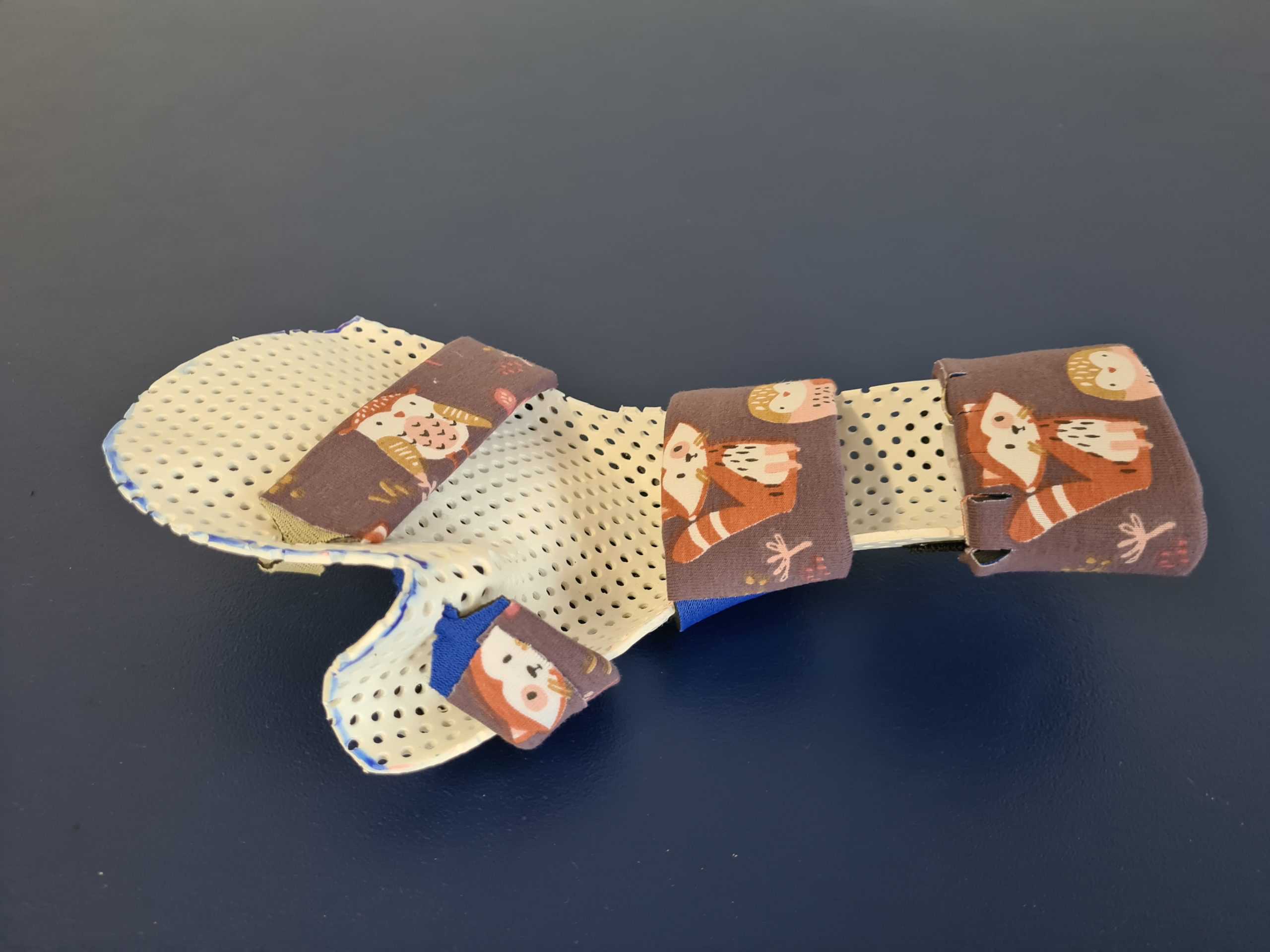
Handschienen zur Kontrakturen- & Deformitätenprophylaxe in der Neuropädiatrie
- Course part 1: Introduction and basics
- Course part 2: Your findings
- Course part 3: Production and evidence
- Course part 4: Final test
- 120 minutes
- Deutsch
Seepferdchen Training – Schweiß, Spaß & gute Gesellschaft
In this course, you will learn about the key elements for the well-being of children with mental health issues.
Contents:-
-
Introduction to the topic
-
Mental health in children and adolescents
-
Nervous system under constant stress
-
Seahorse training
-
Short knowledge check
-
- 45 minutes
- Mehrsprachig
Classification systems Cerebral palsy
Gain an overview of the currently available classification systems for people with cerebral palsy with this free course. We have also added a chapter on the scientific basis so that you are fully informed about the current study situation.
Course language: German Target audience: Physiotherapeut*innen, Ergotherapeut*innen, Ärztinnen und Ärzte, Sporttherapeut*innen, Pädagog*innen, Neuropsycholog*innen, Pflegefachpersonen und alle, die unsere foxstudy Kurse besser kennenlernen möchten. You will need: Computer, Laptop, Tablet oder Mobiltelefon Study time: 30 minutes Course duration: 6 months- 30 minutes
- Deutsch
Fortbildung für dein Gesundheitsteam gesucht?
Flexible Online-Rehabilitationskurse für Fortbildung, klinische Weiterentwicklung und moderne Patientenversorgung im ganzen Team.
Flexibel für einen vollen Terminkalender
Kurse im eigenen Tempo, die sich um Patiententermine und den Praxisalltag herum planen lassen.
CPD-akkreditierte Kurse
Ein gemeinsamer Ansatz
Alle Fachpersonen arbeiten nach denselben Behandlungsgrundlagen, für eine konsistente Versorgung im ganzen Team.
Gemacht für Gesundheitsorganisationen
Entwickelt für Kliniken, Therapiepraxen und Reha-Teams.
Skalierbare Fortbildung für Therapie- und Rehabilitationsabteilungen
Bewährt bei Therapeut:innen, Ärztinnen und Ärzten und Rehabilitationsfachpersonen.
"Der Kurs ist sehr gut strukturiert, enthält viel theoretisches Wissen und wird mit den zwei Fallstudien auch direkt in die Praxis umgesetzt. Ich freue mich darauf, das erworbene Wissen anwenden zu können." – Harieta F., Mobilität der oberen Extremitäten

"Ich fand den Kurs sehr spannend, mit einem logischen Aufbau und vielen guten Anregungen für den Alltag." – Christa S., Exekutive Funktionen

"Ausgewogenes Verhältnis zwischen Theorie und Praxis, Wissensvermittlung und Selbstkontrolle, sehr spannend und lehrreich!" – Carina L., Mobilität der oberen Extremitäten
"Der Fuchs liest vor, Multiple-Choice-Fragen zum Beantworten, Videoerklärungen und Zeichnungen machen es abwechslungsreich, interessant und spannend! Bravo"
"Die Fortbildung ist sehr gut strukturiert und organisiert. Gute Wiederholung der Anatomie und anschliessende Erklärung zum Schienenbau."
"Vielen Dank für diesen kostenlosen Kurs. Bisher kannte ich nur den GMFCS- und den MACS-Level. Als Logopädin ist für mich aber auch der CFCS sehr interessant.""
"Super gutes Konzept und tolle Struktur, die Fragen im Abschlusstest könnten inhaltlich etwas stärker vom Kursinhalt abweichen, um das Verständnis wirklich zu prüfen."
"Beste Lektion zu Cerebralparese der oberen Extremitäten, die ich in 35 Jahren Berufserfahrung je hatte!"
"Die Patientenbeispiele haben mir sehr gut gefallen. Ebenso die Wiederholung mit den Fragen. Insgesamt ein tolles, intensives Kursformat, das mehr als 8 Stunden gedauert hat 😉"
"Der Kurs ist sehr gut strukturiert, enthält viel theoretisches Wissen und wird mit den zwei Fallstudien auch direkt in die Praxis umgesetzt. Ich freue mich darauf, das erworbene Wissen anwenden zu können."
"Mir ist bewusst geworden, wie wichtig Neurodynamik in der neurologischen Rehabilitation ist, und ich werde meinen Patient:innen künftig mit einem anderen Mindset begegnen. Danke für den guten Überblick und den interaktiven Aufbau. Auch die einzelnen Patientenbeispiele waren sehr hilfreich."
"Danke für so ein wertvolles Tool! Ich schätze das hohe Niveau an klarer, evidenzbasierter und praxisnaher Aufbereitung, das ist gelungen. Und natürlich freut es mich, dass es nichts kostet, das macht es leicht, es weiterzuempfehlen."
"Ich hatte lediglich auf ein Update zum Thema Neuroplastizität gehofft. Und bekommen habe ich einen Kurse, bei dem ich viel Neues gelernt, das sich klar auf die Praxis beziehen lässt. Besonders geschätzt habe ich, dass ich die Lektionen mehrfach durcharbeiten und jederzeit unterbrechen konnte."
"Der Kurs war sehr intensiv, hat mich mehr als 5 Stunden Lernzeit gekostet und hat mir für mein Verständnis sehr geholfen. Ich finde das Selbststudium mit freier Zeiteinteilung super!"
