
- Rated 4.6/5 by experts
Specialized training courses for professionals.
Developed by experts—for your everyday work.
Earn continuing education credits and build practical, evidence-based expertise in neurorehabilitation, pediatric rehabilitation, and functional training. Knowledge you can apply directly in your daily practice.
Clinically Relevant Content
Clinical experience meets cutting-edge science. A peer-review process ensures the quality of the courses.
Accredited Continuing Education
Earn recognized continuing education credits and further your professional development.
Professional Development
Build knowledge and skills that you can apply directly in clinical practice.
Ready to Use & Flexible Learning
Start anytime, learn at your own pace, and always have the course materials at your fingertips.
Tried and True at
Hospitals, Universities & Healthcare Institutions
Specializing in rehabilitation medicine and clinical therapies for evidence-based continuing education







1253
Professionals have completed a course
Made in Switzerland
Developed, quality-tested, and hosted in Switzerland.
1613
e e-learning courses completed
15 minutes
Average duration of a learning module; can also be completed during breaks at work.
4.6/5
Durchschnitt aus über 1000 Bewertungen
0
Boring PowerPoint slides from the '90s—I promise.
16
Accredited Digital Learning Programs
3 minutes
until you're ready to get started.
Choose a course, pay,
and start learning!
Get started now with our most popular courses in rehabilitation and therapy
Practical, case-based digital courses in neurorehabilitation, pediatric rehabilitation, and functional training, designed for direct application in everyday clinical practice
Browse courses by level: From the basics to advanced clinical applications.
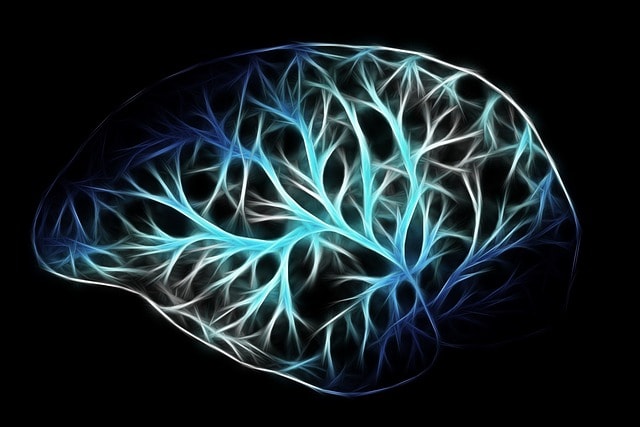
Central and Autonomic Nervous Systems
- Course Section 1: Central Nervous System
- Course Section 2: Autonomic Nervous System
- Course Section 3: Neuroplasticity
- Course Part 4: Final Test
- Therapists from all fields (physical therapy, occupational therapy, speech therapy, sports therapy, etc.)
- Doctors
- Special Education Teachers
- Kinesiologists*
- Nurses
- Anyone who would like to learn more about the central nervous system, its functions, damage, and plasticity.
- 360–500 minutes
- English
Craniomandibular Dysfunction (CMD): Assessment & Treatment
- Introduction to the Topic
- Background CMD
- Anatomy, Physiology, and Pathophysiology
- From the Medical History to the Assessments
- Craniomandibular & Craniofacial Treatment
- Craniocervical and Thoracic Treatment
- Integrative Clinical Reasoning in the Treatment of CMD
- Quick Knowledge Check
- Physical therapists
- Occupational therapists
- Kinesiologists
- Doctors
- Nurses
- 240 minutes
- Multilingual
Neuro-Centered Training—An Introduction
- Definitions
- Input Systems
- Basic Requirements & Mindset
- Neuroplasticity & Training
- Knowledge Check
- Physical therapists
- Occupational therapists
- Sports Therapists
- Kinesiologists
- Doctors
- Anyone interested in neuro-centered training
- 90 minutes
- German
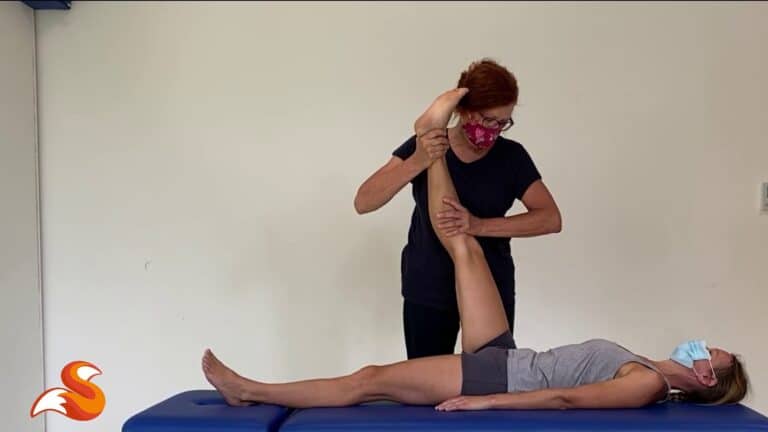
Integration of Neurodynamics into Neurorehabilitation (INN®) Expert 2: Neurodynamic Tests
- Course Part 1: Fundamentals of Testing
- Course Section 2: Tests of the Lower Extremities and Trunk
- Course Section 3: Upper Extremity Tests
- Therapists from all fields (physical therapy, occupational therapy, speech therapy, sports therapy, etc.)
- Doctors
- Special Education Teachers
- Kinesiologists*
- Anyone who works with people with brain injuries and would like to learn more about the relationship between structure, function, activity, and independence.
- 360 minutes
- German
Central and Autonomic Nervous Systems
- Course Section 1: Central Nervous System
- Course Section 2: Autonomic Nervous System
- Course Section 3: Neuroplasticity
- Course Part 4: Final Test
- Therapists from all fields (physical therapy, occupational therapy, speech therapy, sports therapy, etc.)
- Doctors
- Special Education Teachers
- Kinesiologists*
- Nurses
- Anyone who would like to learn more about the central nervous system, its functions, damage, and plasticity.
- 360–500 minutes
- English
Craniomandibular Dysfunction (CMD): Assessment & Treatment
- Introduction to the Topic
- Background CMD
- Anatomy, Physiology, and Pathophysiology
- From the Medical History to the Assessments
- Craniomandibular & Craniofacial Treatment
- Craniocervical and Thoracic Treatment
- Integrative Clinical Reasoning in the Treatment of CMD
- Quick Knowledge Check
- Physical therapists
- Occupational therapists
- Kinesiologists
- Doctors
- Nurses
- 240 minutes
- Multilingual

Low Vision: Basics, Diagnosis, and Support Measures
In this course, you'll learn what "low vision" really means and how visual impairments affect daily life. You'll gain a better understanding of how people with low vision behave and learn how to provide them with targeted support.
Contents:-
- Introduction to the Topic
- Definitions & Terms
- Development and Changes in Vision
- Examination & Treatment
- Support Measures & Assistance in Everyday Life
- Quick Knowledge Check
- 90 minutes
- Multilingual
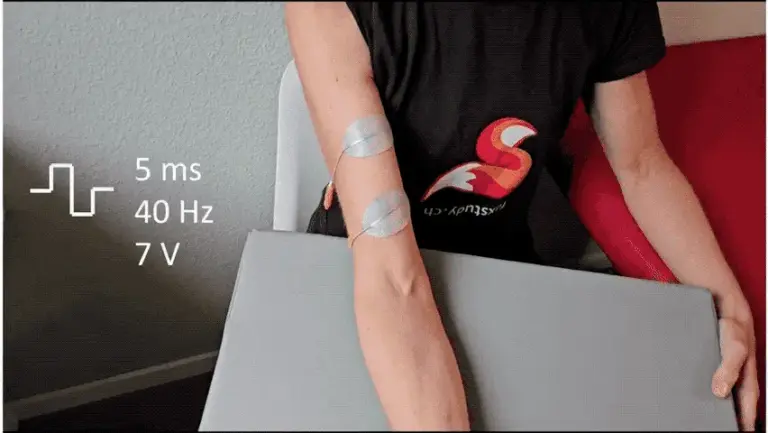
Understanding and Applying Modern Electrical Stimulation
In this course, you'll learn about electrical stimulation and, by the end, you'll know how to apply it in your daily therapeutic practice.
Contents:- Introduction to Electrical Stimulation
- Electrostimulation for Damage to the First Motor Neuron
- Electrostimulation for Second-Motor-Neuron Damage
- Evidence on Electrical Stimulation
- Final Test
- 90 minutes
- German
Neuro-Centered Training—An Introduction
- Definitions
- Input Systems
- Basic Requirements & Mindset
- Neuroplasticity & Training
- Knowledge Check
- Physical therapists
- Occupational therapists
- Sports Therapists
- Kinesiologists
- Doctors
- Anyone interested in neuro-centered training
- 90 minutes
- German
BeSmart – Understanding and Setting Therapeutic Goals Correctly
In this course, you'll learn how to set goals professionally and apply this skill in your daily therapeutic practice.
Contents:- The ICF Levels, particularly environmental factorsand personal factors
- Involvement of Family Members, Resources, and Barriers
- Bottom-Up and Top-Down
- DistinguishingBetween Performanceand Capacity
- Self-employed—what does that mean for the goal?
- SMART
- Final Test
- Therapists from all fields (physical therapy, occupational therapy, speech therapy, sports therapy, etc.)
- Nurses
- Physicians (CME credits)
- Special Education Teachers
- Kinesiologists*
- 60 minutes
- German
Understanding and Applying the ICF
- The Description of the ICF
- The Bio-Psycho-Social Model
- Diagnosis and the ICF in Context
- Conceptual Model and Application
- Final Test
- 60 minutes
- Multilingual
Integration of Neurodynamics into Neurorehabilitation (INN®) Expert 2: Neurodynamic Tests
- Course Part 1: Fundamentals of Testing
- Course Section 2: Tests of the Lower Extremities and Trunk
- Course Section 3: Upper Extremity Tests
- Therapists from all fields (physical therapy, occupational therapy, speech therapy, sports therapy, etc.)
- Doctors
- Special Education Teachers
- Kinesiologists*
- Anyone who works with people with brain injuries and would like to learn more about the relationship between structure, function, activity, and independence.
- 360 minutes
- German
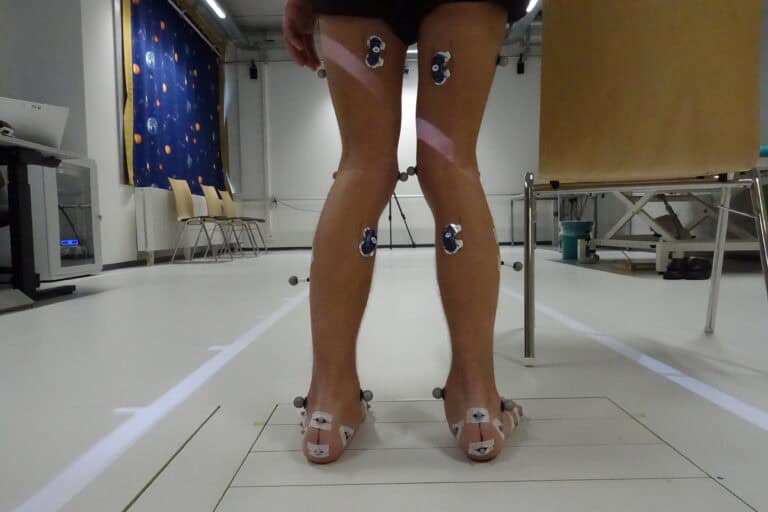
crouch gait Understand & Treat
Objective: You will be able to analyze and understand, in a nuanced way, the underlying factors that contribute to the “ crouch gait .” You will recognize the influence of sensory processing and be able to derive therapeutic strategies from this understanding—thereby enabling you to strengthen your patients’ functional abilities, prevent relapses, and support lasting change.
Contents:-
- Introduction to the Topic
- Somatosensory Perception & crouch gait
- The Evolution of the Crouching Gait
- Treatment & Prevention for crouch gait
- Final Test
- 120 minutes
- German

Integration of Neurodynamics into Neurorehabilitation (INN®) Expert 1: Fundamentals, Development, and Application
- Course Part 1: Fundamentals, Development, and Application
- Course Section 2: Peripheral Nervous System
- Course Section 3: The Nervous System as a Whole
- Course Part 4: Final Test
- Therapists from all fields (physical therapy, occupational therapy, speech therapy, sports therapy, etc.)
- Doctors
- Special Education Teachers
- Kinesiologists*
- Anyone who works with people with brain injuries and would like to learn more about the relationship between structure, function, activity, and independence.
- 240 minutes
- German
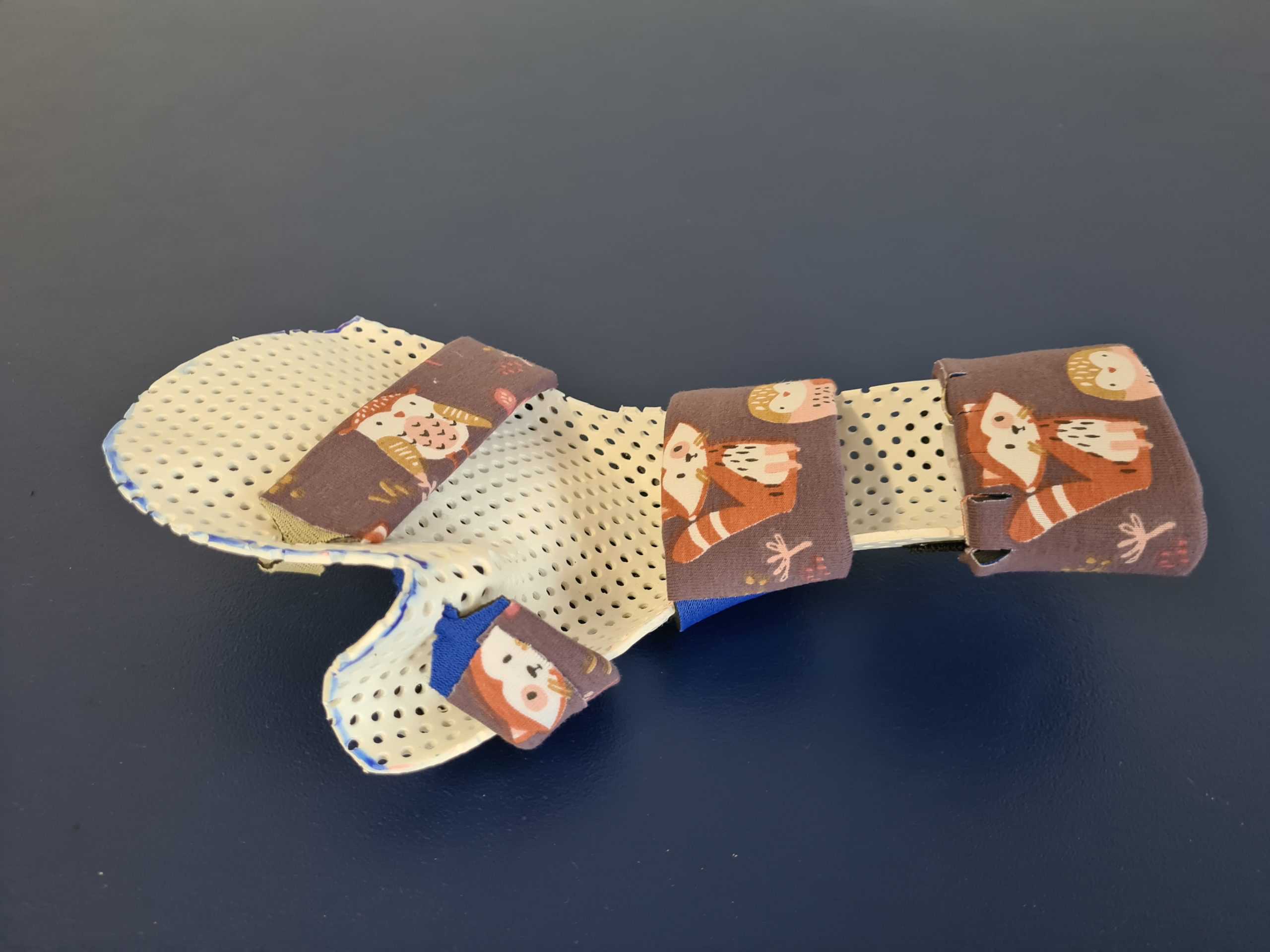
Hand splints for the prevention of contractures and deformities in neuropediatrics
- Course Section 1: Introduction and Fundamentals
- Course Part 2: Your Findings
- Course Section 3: Production and Evidence
- Course Part 4: Final Test
- 120 minutes
- German
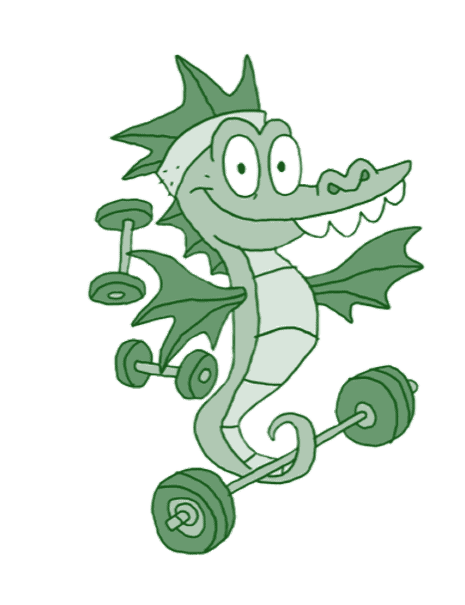
Seahorse Training – Sweat, Fun, and Good Company
In this course, you will learn about the key elements for the well-being of children experiencing psychological distress.
Contents:-
-
Introduction to the Topic
-
Mental Health in Children and Adolescents
-
The Nervous System Under Constant Stress
-
Seahorse Training
-
Quick Knowledge Check
-
- 45 minutes
- Multilingual

Classification Systems for Cerebral Palsy
With this free course, gain an overview of the classification systems currently available for people with cerebral palsy. We’ve also added a chapter on the scientific foundations so that you’ll be fully informed about the current state of research.
Course language: German Target audience: Physical therapists, occupational therapists, doctors, sports therapists, educators, neuropsychologists, nurses, and anyone who would like to learn more about our foxstudy courses. You'll need: Computer, laptop, tablet, or cell phone Study time: 30 minutes Course duration: 6 months- 30 minutes
- German
Get Started in Four Steps
Select a Course
Browse digital courses in rehabilitation and therapy by level and clinical focus.
Learn at your own pace
Access your digital learning resources whenever it fits into your daily practice schedule.
Download Your Certificate
Use it to claim your continuing education credits and demonstrate the skills you've acquired.
Putting It into Practice
Apply evidence-based techniques and put your new expertise into practice right away.
Our Teachers
Learn from the best in physical therapy and neurorehabilitation
Our courses are led by experienced clinicians and experts who have extensive expertise in neurorehabilitation, pediatric rehabilitation, and functional training.
Clinical Neuropsychologist
Kevin Wingeier, Ph.D.
Specialist in clinical neuropsychology and executive function disorders.
Physical Therapist
Pernille Thomsen, PT
Specialist in neurophysiology-based therapy for anxiety, stress, and mental health in children and adolescents.
Pediatric Physical Therapist
Dr. Judith Graser, PT
Specialist in pediatric physical therapy and motor learning.
Neuroorthopedist
Prof. Reinald Brunner, M.D.
Specialist in neuroorthopedics and gait analysis.
Physical Therapist
Franzi Spreitler, MSc., PT
Specialist in neurorehabilitation and SMART goal-setting in pediatric therapy.
Physical Therapist
Myrtha Nussbaumer, MSc. PT
Specialist in vestibular vertigo therapy and concussion management.
Physical Therapist
Nora Kern, MSc. PT
Specialist in neurodynamics in neurorehabilitation.
Physical Therapist
Thomas Schick, MSc., PT
Specialist in functional electrical stimulation (FES) and neurorehabilitation.
Physical Therapist
Janne Säkkinen, PT
Specialist in Orthopedic Manual Therapy (OMT) and occupational musculoskeletal rehabilitation.
Orthoptist
Sue Santschi
Specialist in orthoptics and low vision care.
Pediatricians and physical medicine and rehabilitation specialists
Beat Knecht, M.D.
Specialist in pediatric rehabilitation and the ICF model.
Continuing Education for Healthcare Professionals
Flexible online learning for individuals and clinical teams.
For Professionals
Expand your clinical skills with flexible rehabilitation and therapy courses that you can take at your own pace.
- Learn evidence-based therapy and rehabilitation approaches
- Earn continuing education credits and download your certificate
- Put your knowledge into practice right away
For Hospitals & Institutions
Train your team using structured rehabilitation programs to achieve measurable clinical outcomes.
- Bring your entire team up to a common level of knowledge and experience
- Offer your clients high-quality, evidence-based treatment
- Become an attractive employer and support your team's professional development
Projects & Partnerships
foxstudy evaluates and develops digital training solutions in several countries in collaboration with NGOs and foundations.
- An information and learning platform for individuals with the condition and their parents in Switzerland.
- Institutional Audits of Pediatric Rehabilitation Departments in Regions with Moderate and Low Levels of Resources
- Development of Training Programs and Approaches for Pediatric Physical Therapy in Ethiopia
Scalable Continuing Education for Therapy and Rehabilitation Departments
Trusted by therapists, doctors, and rehabilitation specialists worldwide.
"The course is very well structured, covers a lot of theoretical knowledge, and, thanks to the two case studies, directly applies that knowledge to real-world situations. I'm looking forward to putting what I've learned into practice." – Harieta F., Upper Limb Mobility

"I found the course very engaging; it had a logical structure and offered many useful tips for everyday life." – Christa S., Executive Functions

"A good balance between theory and practice, knowledge transfer and self-assessment—very engaging and informative!" – Carina L., Upper Limb Mobility
"The Fox reads aloud, and the multiple-choice questions, video explanations, and drawings make it varied, interesting, and exciting! Bravo!"
"The training course is very well structured and organized. It provides a good review of anatomy, followed by an explanation of splint construction."
"Thank you very much for this free course. Until now, I was only familiar with the GMFCS and MACS levels. But as a speech-language pathologist, I also find the CFCS very interesting.""
"A really great concept and excellent structure; the questions on the final test could deviate a bit more from the course material to truly test understanding."
"The best lesson on cerebral palsy affecting the upper extremities I've ever had in my 35 years of professional experience!"
"I really liked the patient examples. I also liked the review with the questions. Overall, it was a great, intensive course format that lasted more than 8 hours 😉"
"The course is very well structured, covers a lot of theoretical knowledge, and—thanks to the two case studies—also applies that knowledge directly to real-world situations. I look forward to putting what I've learned into practice."
"I've come to realize how important neurodynamics is in neurological rehabilitation, and I'll approach my patients with a different mindset going forward. Thank you for the clear overview and the interactive format. The individual patient examples were also very helpful."
"Thank you for such a valuable tool! I appreciate the high quality of the clear, evidence-based, and practical content—it's really well done. And of course, I'm glad it's free; that makes it easy to recommend to others."
"I was just hoping for an update on neuroplasticity. Instead, I got a course where I learned a lot of new things that can be clearly applied in practice. I especially appreciated being able to work through the lessons multiple times and pause them at any time."
"The course was very intensive, took me more than 5 hours to complete, and really helped me understand the material. I think self-study with a flexible schedule is great!"
Frequently Asked Questions
What types of courses are available?
We have divided our courses into the following categories:
- Snippet: Snippets are short, concise overviews of a very specific subtopic. These courses are usually quick and affordable.
- Essential: "Essentials" delve deeper into a specific, narrower topic. You'll gain insight and become familiar with the most important fundamentals.
- Basic: Basic courses offer you a broad and thorough introduction to various fundamental topics. This allows you to expand your expertise.
- Expert: Expert courses require prior knowledge and delve deeply into the subject matter. They stand out for their content, which you can apply directly in your everyday life.
How can I pay for courses?
You can pay for our courses in advance (via PayPal or major credit cards) or by invoice. Please note: If you pay by invoice, you will not have access to the course you purchased until payment has been received.
How can I cancel a course I've purchased?
Since all course content is available to you immediately upon purchase—and is therefore theoretically downloadable—you waive your right of withdrawal by making the purchase. However, if you’re not at all satisfied with a course, please contact us—we’ll find a solution!
What exactly can I expect?
You can look forward to up-to-date, digital continuing education courses that are presented in an engaging way and have never been available in this format before. At foxstudy, we prioritize quality in both content and presentation, and we carefully select our instructors.
What are the technical requirements?
If you've found this page, you already meet the most important requirements. Our courses are generally designed to work on all standard computers, laptops, and tablets. You can even take some courses on your cell phone, but many of our courses include features that don't always work on a cell phone. We therefore recommend using a computer, laptop, or tablet for our courses.
