Upper Limb Mobility in Children with Cerebral Palsy

This course will enhance your knowledge of upper extremity mobility in pediatrics.
Petra Marsico, PT, MSc, and Jan Lieber, MSc, OT
4.9/5
Cover image from the foxstudy online course on upper extremity mobility

€ 294

Course Information:

300 minutes

6 months

Course Overview

How can you improve upper extremity mobility and independence in children with cerebral palsy? This comprehensive course offers an evidence-based approach to assessing and improving upper extremity mobility in children with cerebral palsy.


Through interactive lessons and real-life patient examples, you'll deepen your understanding of the factors that affect mobility and learn to develop effective, personalized treatment strategies.


The course covers anatomy, growth, structural differentiation, classification systems, and the ICF, before translating this knowledge into practical therapeutic interventions.

  • Assessment of Upper Limb Mobility in Children with Cerebral Palsy
  • Treatment Planning Based on the ICF
  • Recognizing Contractures and Deformities
  • Clinical Use of the GMFCS and MACS Classification Systems
  • Evidence-Based Therapeutic Intervention
  • Improving Participation and Independence in Daily Life
  • Understanding Mobility and Its Importance for Children with Cerebral Palsy
  • Understanding how age, growth, and anatomy affect upper extremity mobility
  • Assessing Deformities, Contractures, and Structural Limitations
  • Applying the GMFCS and MACS Classification Systems in Clinical Practice
  • Using the ICF to Guide Assessment and Treatment Planning
  • Develop evidence-based treatment plans that improve functional independence
Part 1: Introduction to Mobility for People with Cerebral Palsy

Future Learning Path:

foxstudy is planning advanced courses on specific intervention techniques, including Constraint-Induced Movement Therapy (CIMT), bimanual training, and neurodynamics

Dr. Petra Marsico, PT

A pediatric physical therapist specializing in movement and neurorehabilitation. She is convinced that mobility is fundamental to a child’s independence and quality of life, and combines evidence-based practice with developmentally-oriented principles to improve functional treatment outcomes.

Jan Lieber, MSc OT

An occupational therapist specializing in neuropediatrics; his work focuses on helping children achieve greater independence through meaningful daily activities.


This course qualifies participants for continuing education credits from recognized professional associations.

Certificate

Upon completion, you will automatically receive a personalized certificate as proof of your participation in the training.

Our certificate of participation can also be submitted to professional associations as part of continuing education applications.

Overall Course Rating

Comments

Fabian on July 28, 2026
Evidence Meets Practice
Well-structured and explained using two patient examples. Overall, the therapeutic methods could be explained in even greater detail using patient examples. (Bimanual training, zipping up a zipper)
Verena on July 19, 2026
informative
Well-structured and presented clearly, with the option to review the material through short quizzes.
Angelika on July 3, 2026
learned a great deal
It was very practical, with a well-structured, scientifically grounded background. It could use an update—it’s 2026 now—and there are certainly more recent studies.
Gertrud on January 3, 2026
Very well-structured
Very well-structured, scientifically sound, realistic treatment goals
Sarah on February 19, 2025
A good overview of the topic
A bit too much text; few film examples; some quiz questions and answers are unclear or imprecisely worded.
Rob on April 28, 2025
Thank you very much, Sarah. We've revised the questions, and things should be much clearer now. Thank you for your help, and best regards, Your foxstudy Team

Peer Review

Katharina Huth

BSc OT, Director of Advanced Rehabilitation Technologies, REHAB Basel

“This course covers all the essential basics of upper extremity mobility in children with cerebral palsy, including an overview of current research. The patient case studies and interactive format also make learning enjoyable.”

Ready to improve upper limb mobility in children with cerebral palsy?

Similar Courses


Understanding and Applying Modern Electrical Stimulation

In this course, you'll learn about electrical stimulation and, by the end, you'll know how to apply it in your daily therapeutic practice.

Contents:
  • Introduction to Electrical Stimulation
  • Electrostimulation for Damage to the First Motor Neuron
  • Electrostimulation for Second-Motor-Neuron Damage
  • Evidence on Electrical Stimulation
  • Final Test
Course language: German Target audience: This course is designed for therapists who want to further develop their expertise in electrostimulation using modern, evidence-based methods. Whether you’re just starting out or already have experience, our course offers valuable knowledge for your day-to-day therapeutic practice. You'll need: Computer, laptop, or tablet Study time: 90 minutes Course duration: 6 months
Dart Hits the Target

BeSmart – Understanding and Setting Therapeutic Goals Correctly

In this course, you'll learn how to set goals professionally and apply this skill in your daily therapeutic practice.

Contents:
  • The ICF Levels, particularly environmental factorsand personal factors
  • Involvement of Family Members, Resources, and Barriers
  • Bottom-Up and Top-Down
  • DistinguishingBetween Performanceand Capacity
  • Self-employed—what does that mean for the goal?
  • SMART
  • Final Test
Course language: German Target audience:
  • Therapists from all fields (physical therapy, occupational therapy, speech therapy, sports therapy, etc.)
  • Nurses
  • Physicians (CME credits)
  • Special Education Teachers
  • Kinesiologists*
You'll need: Computer, laptop, or tablet Study time: 60 minutes Course duration: 6 months

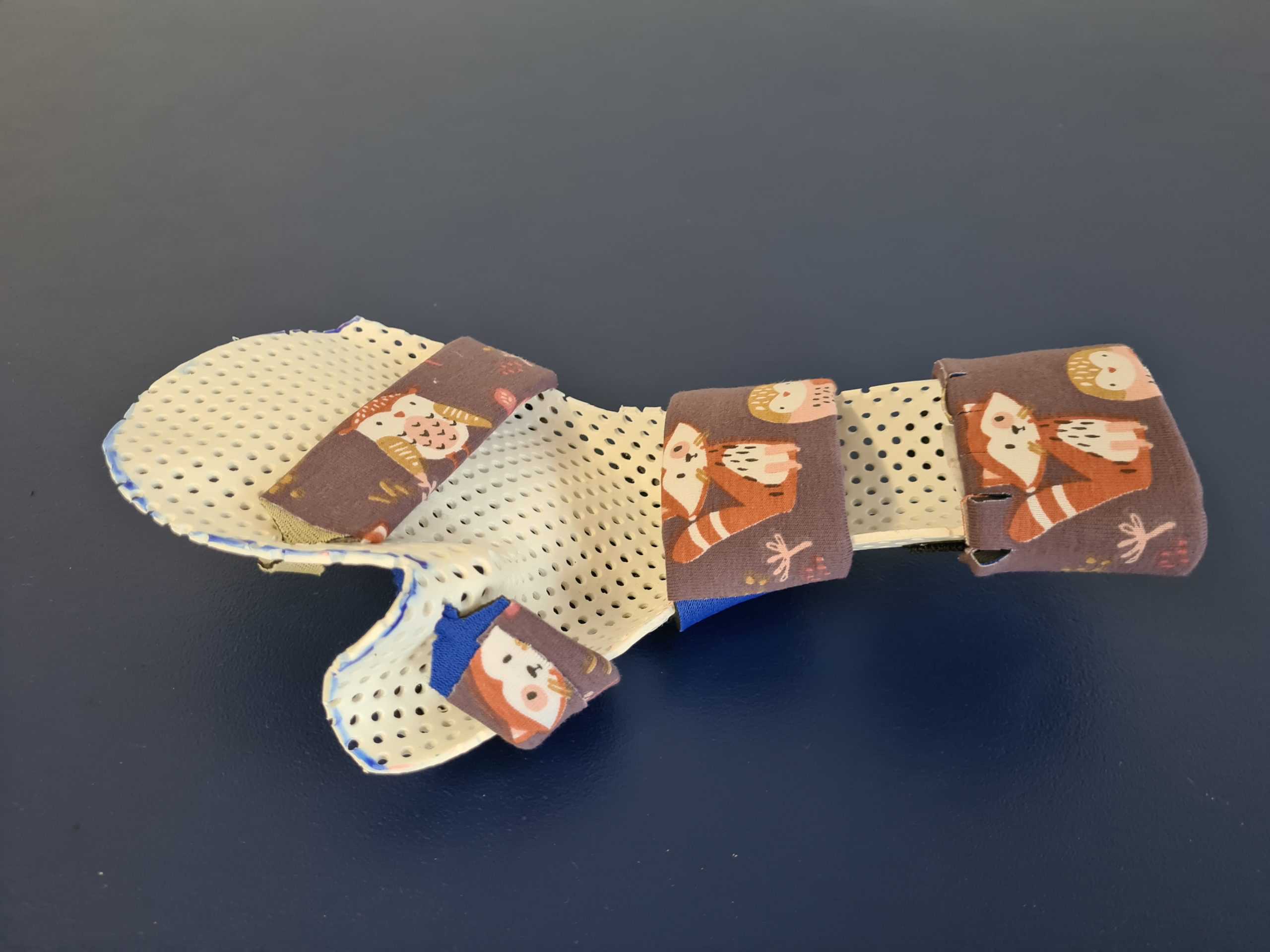
Hand splints for the prevention of contractures and deformities in neuropediatrics

Objective: You can independently perform an examination of patients, determine whether a hand splint is necessary, and make a hand splint. Contents:
  • Course Section 1: Introduction and Fundamentals
  • Course Part 2: Your Findings
  • Course Section 3: Production and Evidence
  • Course Part 4: Final Test
Course language: German Target audience: Physical therapists, occupational therapists, physicians, and orthopedic technicians You'll need: Computer, laptop, or tablet Study time: 120 minutes Course duration: 6 months

Scalable Continuing Education for Therapy and Rehabilitation Departments

Tried and tested by therapists, doctors, and rehabilitation specialists.

Shopping Cart
Cover image from the foxstudy online course on upper extremity mobilityUpper Limb Mobility in Children with Cerebral Palsy
Scroll to the top