

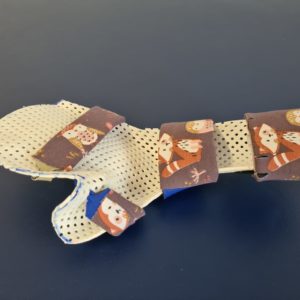
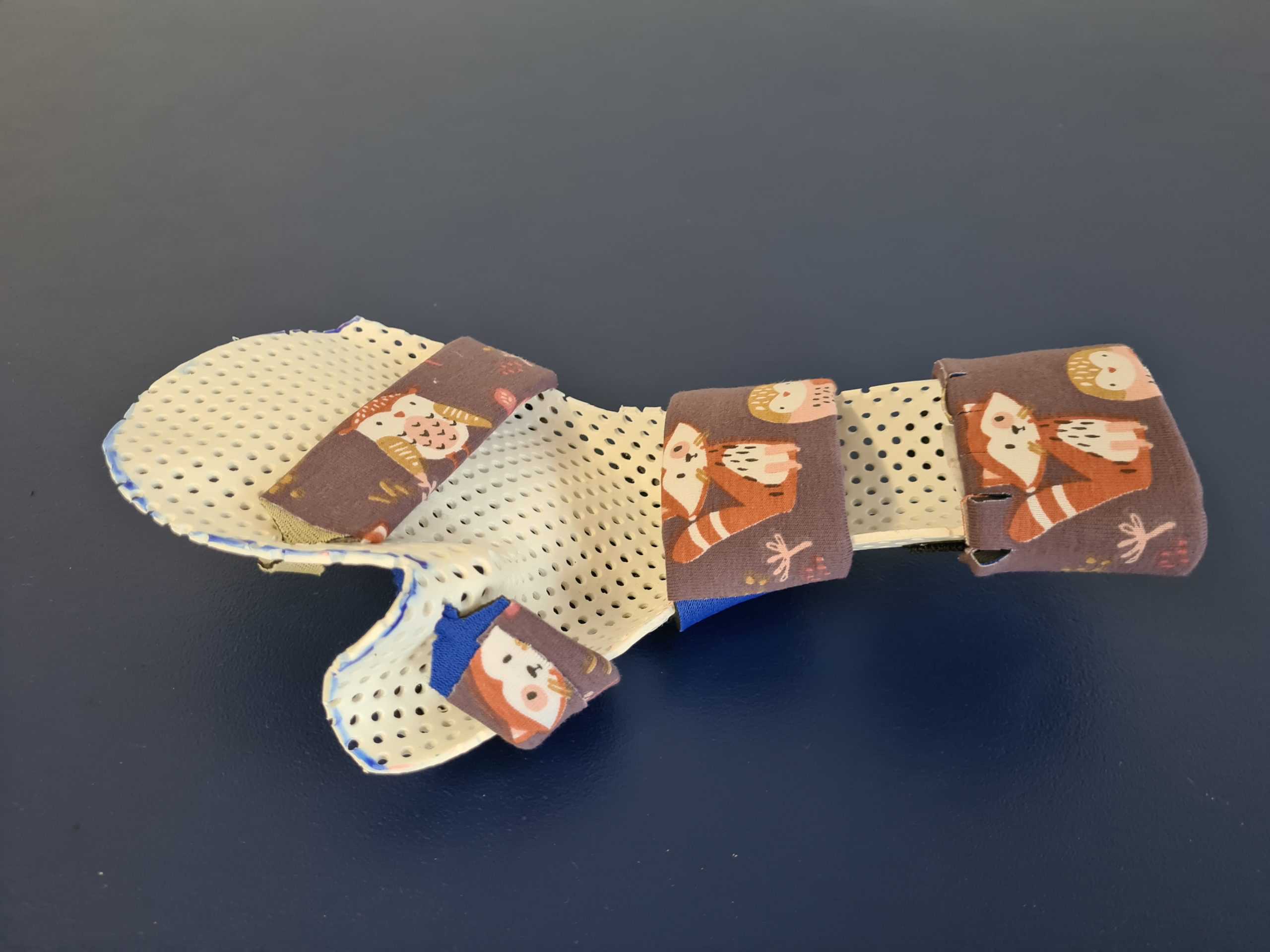
 Hand splints for the prevention of contractures and deformities in neuropediatrics
€ 166

Occupational therapist with a Master of Science degree from Danube University Krems. Taught neuropediatrics to occupational therapy students at the Medical Academy of Freiburg; has many years of clinical experience treating children with neurological impairments. Expertise in evidence-based neuropediatric rehabilitation and hand splinting.




"The course is very well structured, covers a lot of theoretical knowledge, and, thanks to the two case studies, directly applies that knowledge to real-world situations. I'm looking forward to putting what I've learned into practice." – Harieta F., Upper Limb Mobility
 Hand splints for the prevention of contractures and deformities in neuropediatrics
You are currently viewing placeholder content from Google Maps. To access the actual content, click the button below. Please note that doing so will result in data being shared with third-party providers.
More InformationYou are currently viewing placeholder content from Vimeo. To access the actual content, click the button below. Please note that doing so will result in data being shared with third-party providers.
More InformationYou are currently viewing placeholder content from YouTube. To access the actual content, click the button below. Please note that doing so will result in data being shared with third-party providers.
More InformationYou are currently viewing placeholder content from Instagram. To view the actual content, click the button below. Please note that doing so will result in data being shared with third-party providers.
More InformationYou need to load content from hCaptcha to submit the form. Please note that doing so will result in data being shared with third-party providers.
More InformationYou need to load content from reCAPTCHA to submit the form. Please note that doing so will result in data being shared with third-party providers.
More InformationYou are currently viewing placeholder content from Turnstile. To access the actual content, click the button below. Please note that doing so will result in data being shared with third-party providers.
More Information