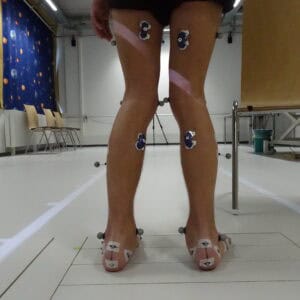
crouch gait Understand & Treatcrouch gait Understand & Treat
- Teacher:
- Rating:
- 6 months of access
- Certificate included
- Downloadable Handout
- Digital Learning at Your Own Pace
€ 118
Course Information:
- Study time:
- Access:
120 minutes
6 Months
Course Overview
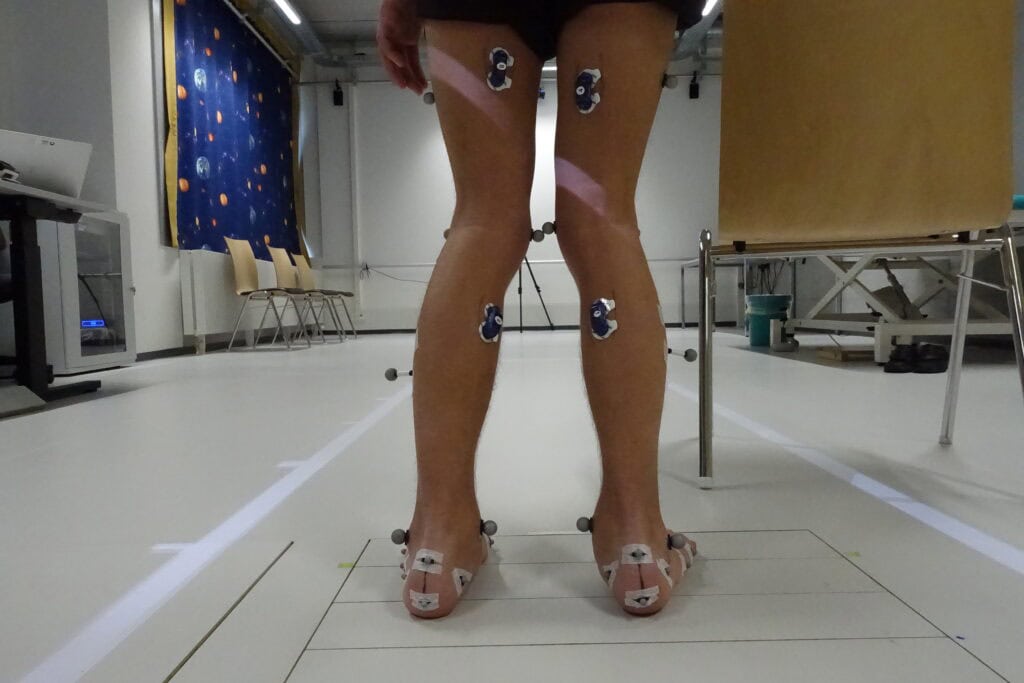
What causes the " crouch gait," and how can a better understanding of its mechanisms improve rehabilitation outcomes? This course examines the complex neurological, sensory, and biomechanical factors that lead to the " crouch gait ," a common movement pattern in neuromuscular disorders.
Instead of focusing solely on visible gait abnormalities, you’ll gain a deeper understanding of how body awareness, sensory feedback, psychological safety, and motor control influence walking.
The course is designed for professionals in the field of neurorehabilitation and combines scientific understanding with practical therapeutic strategies to identify contributing factors, prevent deterioration, and improve patients’ functional mobility and independence.
Practical Application
- Analysis of Chewing Patterns
- Neurological Gait Assessment
- Sensor-Based Rehabilitation
- Preventing a Deterioration in Gait Pattern
- Functional Movement Optimization
- Patient Education and Long-Term Support
What You'll Learn Here
- Understanding the neurological and sensory mechanisms behind the " crouch gait "
- Learn about the role of the somatosensory system in gait development
- Identify factors that contribute to the progression of a stooped gait
- Apply therapeutic strategies to improve functional mobility
- Develop prevention strategies to reduce long-term deterioration
- Introduction to the Topic
- Somatosensory System & crouch gait
- The Origin of the Crouching Gait
- Treatment and Prevention of the Crouching Gait
- Final Test
- Physical therapists
- Doctors
- Sports Therapists
- Movement scientists
- Health scientists
- Orthopedic Technicians
- Specialists in Gait Analysis and Rehabilitation

Prof. Reinald Brunner, M.D.
A leading expert in neuroorthopedics and pediatric gait analysis. Former director of the Neuroorthopedics and Gait Laboratory at the University Children’s Hospital in Basel, with decades of research on gait disorders and the clinical understanding of the crouch gait. His work examines the interplay between biomechanics, sensory perception, neurology, and psychological safety.

This course qualifies participants for continuing education credits from recognized professional associations.
- German Association of Occupational Therapy (DVE): 2 points
- Physio Germany: 2 points
- German Association for Health-Related Sports & Sports Therapy: 2 points
- Umbrella Organization for Advanced Medical, Therapeutic, and Diagnostic Health Professions (MTD): 2 class periods
- Swiss Association of Occupational Therapists (EVS): 2 points
- Physioswiss: 2 points
Certificate
Upon completion, you will automatically receive a personalized certificate as proof of your participation in the training.
Our certificate of participation can also be submitted to professional associations as part of continuing education applications.
Comments
Peer Review
Christine Zehr
Pediatric Physical Therapist, CAS in Bobath Baby Developmental Neurological Therapy, Lucerne Children's Hospital
“A very well-structured and highly interesting course. It goes far beyond surgery and splinting and offers a deep, fascinating insight into the subject.”
Ready to deepen your understanding of the crouching gait?
Similar Courses
Central and Autonomic Nervous Systems
- Course Section 1: Central Nervous System
- Course Section 2: Autonomic Nervous System
- Course Section 3: Neuroplasticity
- Course Part 4: Final Test
- Therapists from all fields (physical therapy, occupational therapy, speech therapy, sports therapy, etc.)
- Doctors
- Special Education Teachers
- Kinesiologists*
- Nurses
- Anyone who would like to learn more about the central nervous system, its functions, damage, and plasticity.
- 360–500 minutes
- English
BeSmart – Understanding and Setting Therapeutic Goals Correctly
In this course, you'll learn how to set goals professionally and apply this skill in your daily therapeutic practice.
Contents:- The ICF Levels, particularly environmental factorsand personal factors
- Involvement of Family Members, Resources, and Barriers
- Bottom-Up and Top-Down
- DistinguishingBetween Performanceand Capacity
- Self-employed—what does that mean for the goal?
- SMART
- Final Test
- Therapists from all fields (physical therapy, occupational therapy, speech therapy, sports therapy, etc.)
- Nurses
- Physicians (CME credits)
- Special Education Teachers
- Kinesiologists*
- 60 minutes
- German
Normal Walking – Movement Patterns & Muscle Function
- 150 minutes
- German
Scalable Continuing Education for Therapy and Rehabilitation Departments
Tried and tested by therapists, doctors, and rehabilitation specialists.
"The course is very well structured, covers a lot of theoretical knowledge, and, thanks to the two case studies, directly applies that knowledge to real-world situations. I'm looking forward to putting what I've learned into practice." – Harieta F., Upper Limb Mobility

"I found the course very engaging; it had a logical structure and offered many useful tips for everyday life." – Christa S., Executive Functions

"A good balance between theory and practice, knowledge transfer and self-assessment—very engaging and informative!" – Carina L., Upper Limb Mobility

"The Fox reads aloud, and the multiple-choice questions, video explanations, and drawings make it varied, interesting, and exciting! Bravo!"

"The training course is very well structured and organized. It provides a good review of anatomy, followed by an explanation of splint construction."

"Thank you very much for this free course. Until now, I was only familiar with the GMFCS and MACS levels. But as a speech-language pathologist, I also find the CFCS very interesting.""

"A really great concept and excellent structure; the questions on the final test could deviate a bit more from the course material to truly test understanding."

"The best lesson on cerebral palsy affecting the upper extremities I've ever had in my 35 years of professional experience!"

"I really liked the patient examples. I also liked the review with the questions. Overall, it was a great, intensive course format that lasted more than 8 hours 😉"

"The course is very well structured, covers a lot of theoretical knowledge, and—thanks to the two case studies—also applies that knowledge directly to real-world situations. I look forward to putting what I've learned into practice."

"I've come to realize how important neurodynamics is in neurological rehabilitation, and I'll approach my patients with a different mindset going forward. Thank you for the clear overview and the interactive format. The individual patient examples were also very helpful."

"Thank you for such a valuable tool! I appreciate the high quality of the clear, evidence-based, and practical content—it's really well done. And of course, I'm glad it's free; that makes it easy to recommend to others."

"I was just hoping for an update on neuroplasticity. Instead, I got a course where I learned a lot of new things that can be clearly applied in practice. I especially appreciated being able to work through the lessons multiple times and pause them at any time."

"The course was very intensive, took me more than 5 hours to complete, and really helped me understand the material. I think self-study with a flexible schedule is great!"